
A GUIDE TO SELECTING GOALKEEPING GLOVES
Picking the perfect goalkeeper gloves and keeping them in top condition is key to dominating on the field. Check out this comprehensive guide to help you score the right gloves and maintain them like a pro!
1. Fit and Size:
Ensure the gloves fit snugly but comfortably. They should allow for movement without being too tight.
Measure your hand size (length and width) to find the appropriate glove size. Most brands provide sizing charts.
2. Cut Type:
Flat Cut: Traditional design with seams on the outside, offering a looser fit.
Roll Finger: The latex wraps around the fingers for a tighter fit and increased grip.
Negative Cut: Seams are on the inside, providing a snug fit and better ball control.
Hybrid Cut: Combines elements of different cuts for a balance of comfort and performance.

3. Latex Quality:
Look for gloves made with high-quality latex for better grip and durability.
Consider the type of latex.
Training Latex: More durable, suitable for regular use.
Match Latex: Offers superior grip but may wear out faster.
4. Weather Conditions:
Choose gloves designed for specific weather conditions (e.g., wet weather gloves with enhanced grip).
5. Finger Protection:
Some gloves come with finger protection technology to prevent injuries. Consider this if you are prone to finger injuries.
6. Budget:
Determine your budget. Higher-priced gloves often offer better materials and technology, but there are also good options at lower price points.
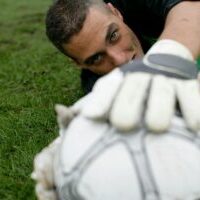
MAINTAINING GOALKEEPING GLOVES
1. Cleaning:
Rinse gloves with cold water after each use to remove dirt and debris.
Use a mild soap if necessary, but avoid harsh detergents that can damage the latex.
2. Drying:
Air dry gloves away from direct sunlight and heat sources to prevent the latex from cracking.
Do not wring out or twist the gloves, as this can damage the seams.

3. Storage:
Store gloves in a cool, dry place. Use a glove bag to protect them from dust and damage.
Avoid folding or crumpling the gloves when storing.
4. Usage:
Rotate between multiple pairs of gloves if possible to extend their lifespan.
Avoid using gloves on abrasive surfaces, as this can wear down the latex quickly.
5. Regular Inspection:
Check for signs of wear and tear regularly. Replace gloves when the grip diminishes or if there are significant tears.

LIFESPAN OF GOALKEEPING GLOVES
The lifespan of goalkeeping gloves can vary based on usage and maintenance. Generally, gloves should be replaced every 6 to 12 months, depending on how often you play and the conditions in which you use them. Signs that it’s time to replace your gloves include:
By following these guidelines, you can select the right goalkeeping gloves and ensure they remain in good condition, enhancing your performance on the field.